What "Available in Your Area" Leaves Out
A coverage map answers one question: can a provider sell you service? It does not tell you how that service will perform at your address.
The short answer is no. 5G home internet shares a tower with the phones around you. Fixed wireless runs on a network with no phones on it.
The confusion is fair. Both deliver internet through the air to a fixed address, and the industry often uses "fixed wireless" for both.
5G home internet uses a mobile carrier's cellular network. A receiver in your home connects to the same tower that serves the phones around you.
That design has real advantages. It is widely available, you can set it up yourself, and typical download speeds are competitive with cable.
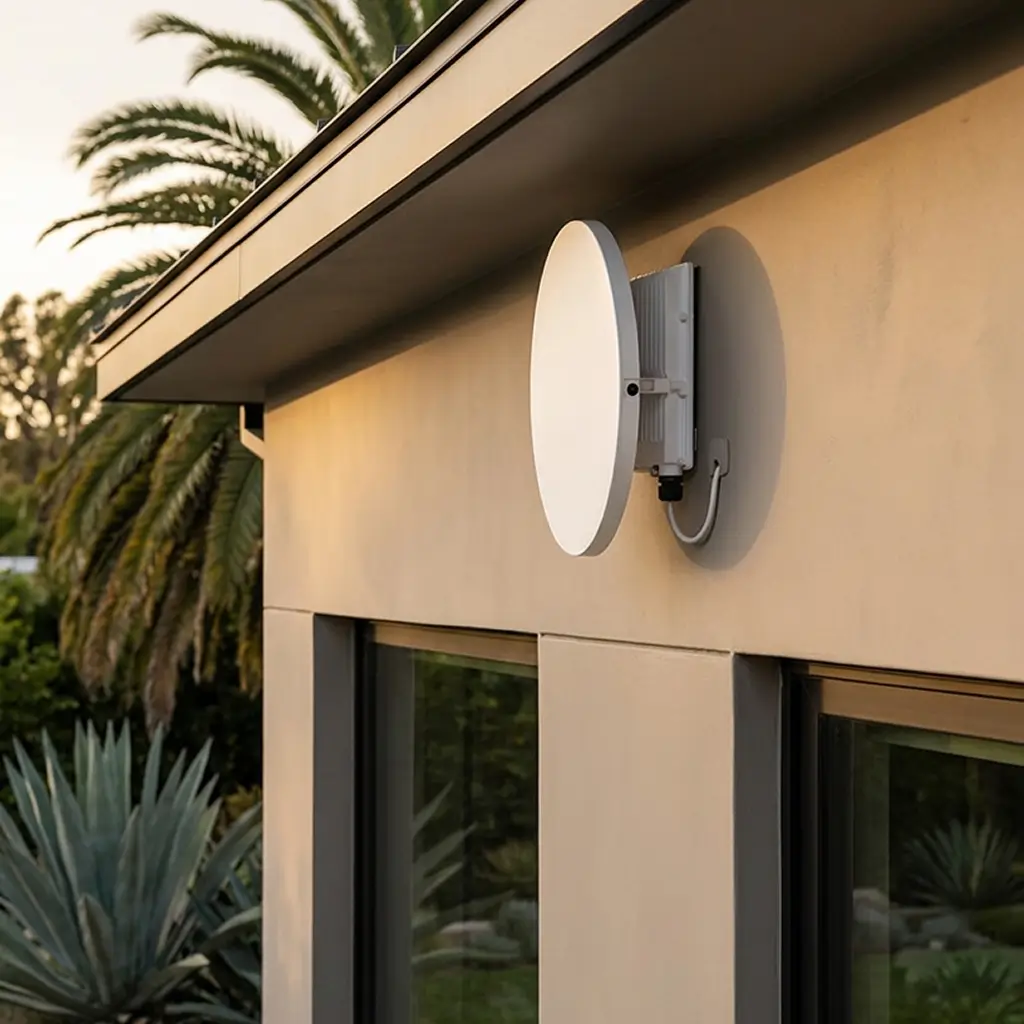
Fixed wireless sends a signal from a tower to an antenna fixed to your roof. The network is separate from the cellular one.
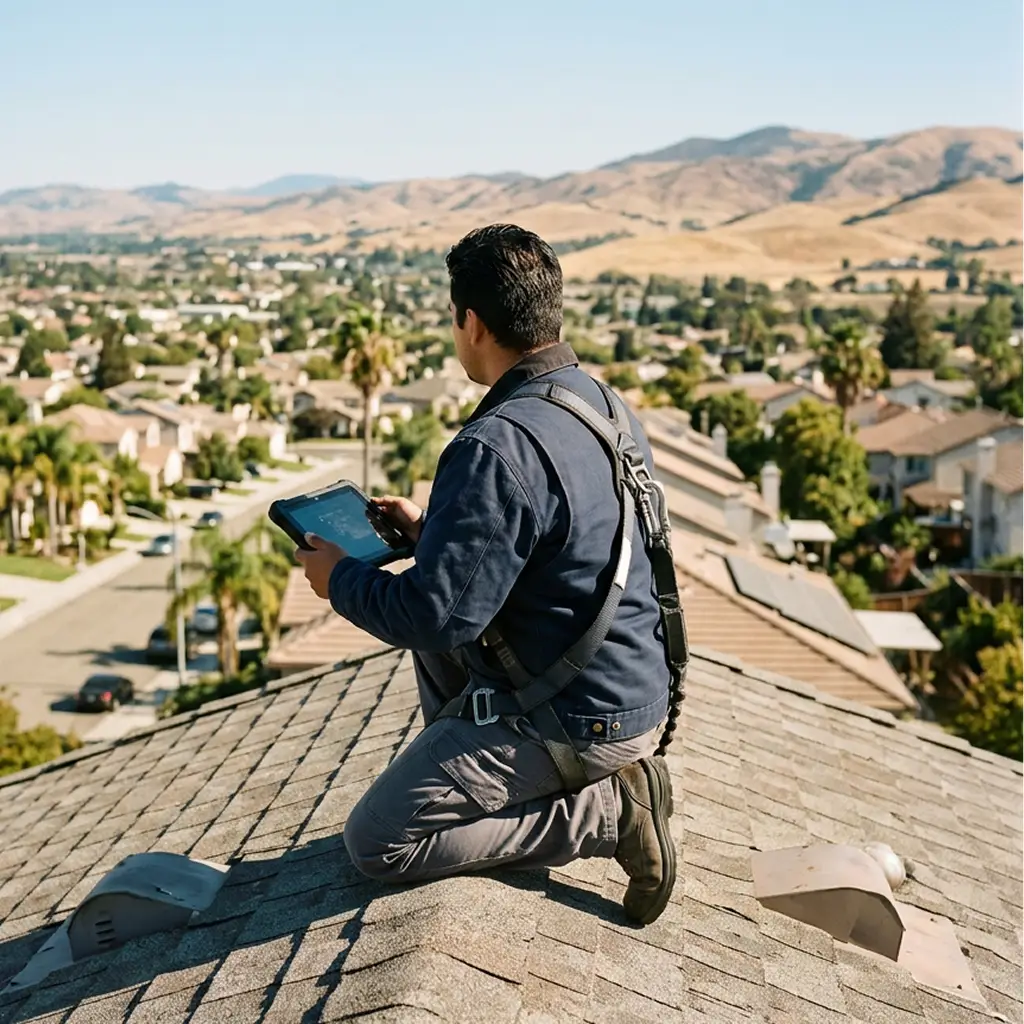
A technician installs the antenna and aims it at the tower. The antenna needs a clear line of sight, so not every address qualifies for top speeds.
A cellular network was built for phones, and its technical standards let a carrier rank traffic by type. When a tower gets busy, phones come first and home internet waits its turn.
Carriers plan around this themselves. They limit home internet sign-ups to towers with capacity to spare.
Most of the time you will not notice. You are most likely to notice at peak hours, when the neighborhood is home and on its phones. Those also tend to be the hours you want the internet.
A fixed wireless network has no phone traffic to rank you behind. GeoLinks Reserve also runs on a private frequency assigned exclusively to us by the FCC, so no other provider's equipment competes with ours on it.
5G home internet is a reasonable choice if you want quick setup. Its speeds are good. The variable is consistency.
Fixed wireless makes more sense if consistency matters more, or if you want a backup connection that does not depend on the cellular network.
Either way, it helps to see what you will get before you decide. We check your rooftop first and show you the result. Check availability
For the full comparison, including cable, fiber and satellite, see Five Ways to Get Internet.
Connectivity moves fast, and so do we. Explore more articles on network reliability, technology trends, and what to expect from an internet provider that actually shows up.
A coverage map answers one question: can a provider sell you service? It does not tell you how that service will perform at your address.
Both arrive without a cable, so they get filed under the same name. They run on different networks built for different jobs.

Fiber, cable, 5G and satellite each reach your address a different way. So does a fifth option that most people have never had explained to them.