What "Available in Your Area" Leaves Out
A coverage map answers one question: can a provider sell you service? It does not tell you how that service will perform at your address.

Most internet decisions come down to two questions: what is available, and what does it cost. How the connection reaches the building rarely comes up, even though it explains most of what happens after you sign up.
There are five ways it can get there. Each has a real strength and a real limit, including ours.
Fiber is a glass line buried or strung to your address. When it reaches you, it is the best-performing connection available. The limit is reach. Every new address takes construction, which means trenching, permits and time. The addresses still without fiber tend to be the ones where that work is hardest to justify.
Cable is a coaxial line shared with the homes on your block. That detail tends to be left out of the brochure. Cable is widely available, and downloads can be fast. The network was built to deliver TV in one direction, so uploads are slower. A problem anywhere on the shared line can affect your connection.
5G home internet sends a cellular signal from a mobile tower to a receiver in your home. It is easy to set up, widely available, and you can install it yourself. The network was built for phones, and when a tower gets busy, phone traffic comes first.
Satellite sends a signal between a dish at your address and a satellite in orbit. It reaches places nothing else does. Every click makes a round trip to orbit, and that trip takes time.
Fixed wireless sends a signal from a nearby tower to an antenna fixed to your roof. It runs on its own network, separate from the cellular one. The limit is line of sight. The antenna needs a clear view of the tower, so not every address qualifies for top speeds.
Fixed wireless comes in two kinds. Unlicensed service uses open airwaves that any provider can use. Licensed service uses a frequency the FCC assigns to one provider, which means no outside interference. GeoLinks offers both. GeoLinks Reserve is our licensed service. Read more in Who Else Is on Your Frequency?
Licensed fixed wireless is the reliable alternative to fiber, and the strongest fiber backup for mission-critical operations.
If fiber reaches your address at a price you like, take it. We would.
Fiber is the best line you can get. It is also one line. If you need a second connection that takes a different path, or fiber has not reached you, the useful question is what each option will do at your specific address. We can answer that one before you sign up. Check availability
Connectivity moves fast, and so do we. Explore more articles on network reliability, technology trends, and what to expect from an internet provider that actually shows up.
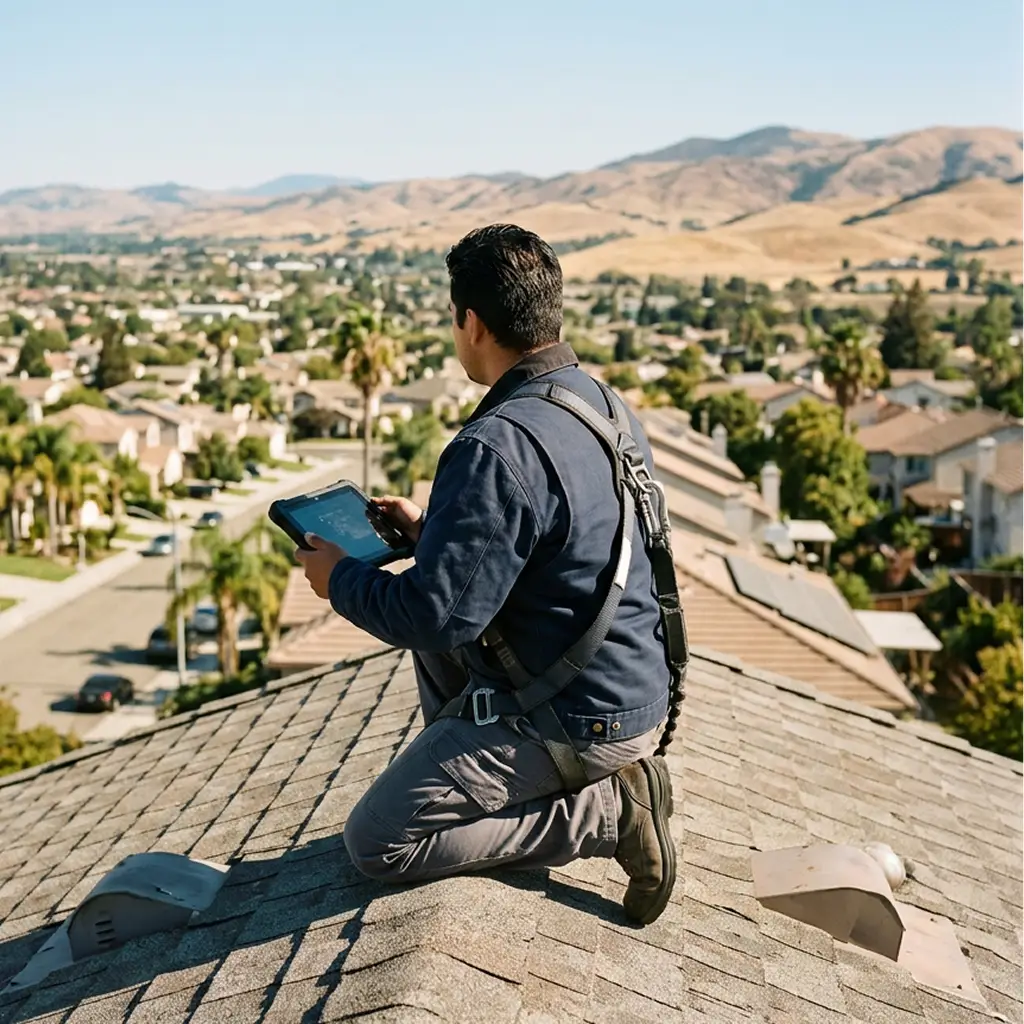
A coverage map answers one question: can a provider sell you service? It does not tell you how that service will perform at your address.
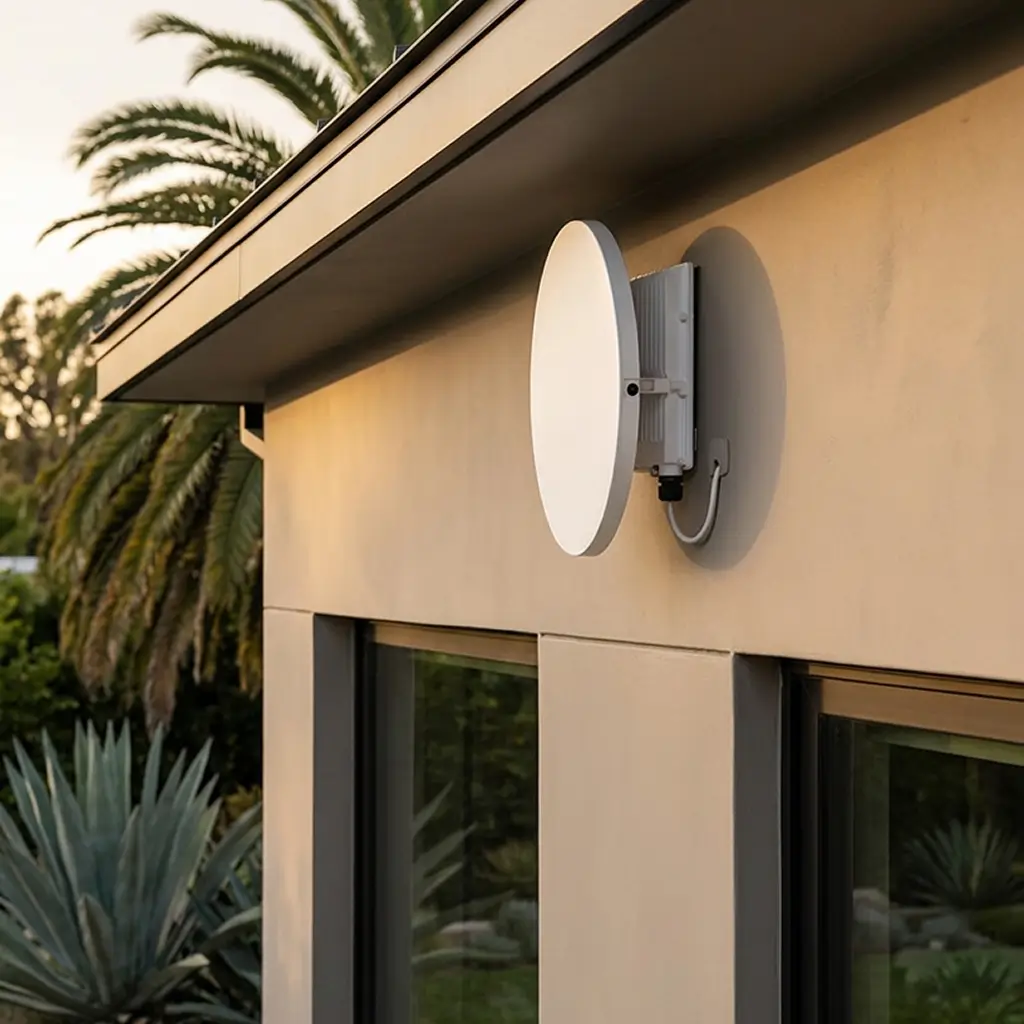
Both arrive without a cable, so they get filed under the same name. They run on different networks built for different jobs.
Fiber, cable, 5G and satellite each reach your address a different way. So does a fifth option that most people have never had explained to them.