What "Available in Your Area" Leaves Out
A coverage map answers one question: can a provider sell you service? It does not tell you how that service will perform at your address.
Type your zip code into almost any provider's website and you will get good news. Service is available in your area.
That is true, and it is also a smaller statement than it sounds.
A coverage map tells you that a provider can sell service in your area. It answers a sales question.
It does not tell you how the connection will perform at your address. Two homes on the same street can get different results. With a wireless connection, it depends on what stands between the roof and the tower. With a shared line, it depends on the condition of the line you share.
"Speeds up to" describes the top of a plan. It is not a statement about your home. Most providers use the phrase, and so do we.
The phrase is honest as far as it goes. It becomes a problem when it is the only number you get before you sign. Often the first real measurement comes after installation. By then the appointment has happened, the equipment is on the wall, and the first bill is on its way.
We think you should see the result first.
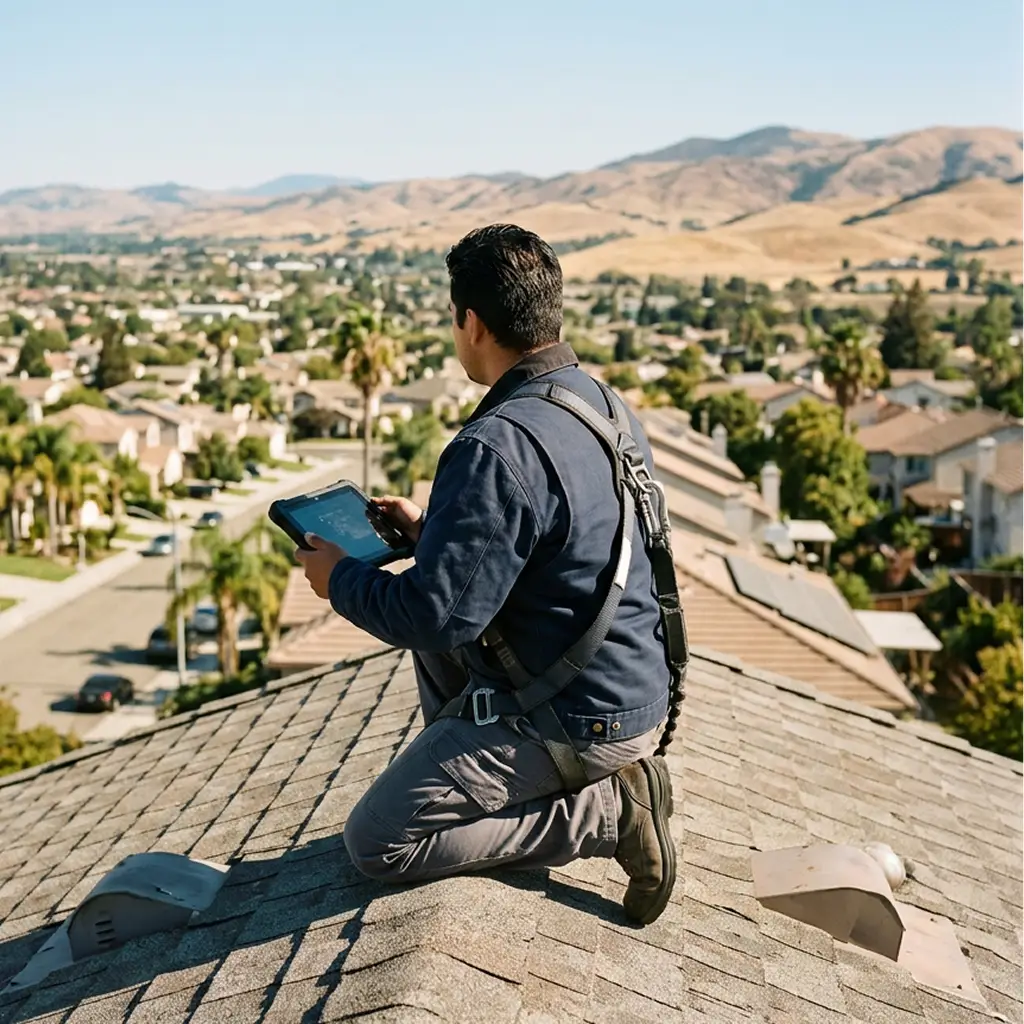
Before you sign up for GeoLinks Reserve, we run a 25-point scan of your rooftop. It checks line of sight to our tower, signal, and the speed your address can expect. We show you what we found, and then you decide.
Sometimes the scan says we cannot serve your address yet. We will tell you that too. It is a less exciting answer, and a more useful one than finding out after the install.
Before you sign with any provider, ask this: what speed will I get at my address, and how do you know?
A provider with a confident answer has measured something. A provider who points back to the coverage map has not.
GeoLinks Reserve is the only internet where available means reliable. Check your address and see what the scan says. Check availability
Connectivity moves fast, and so do we. Explore more articles on network reliability, technology trends, and what to expect from an internet provider that actually shows up.
A coverage map answers one question: can a provider sell you service? It does not tell you how that service will perform at your address.
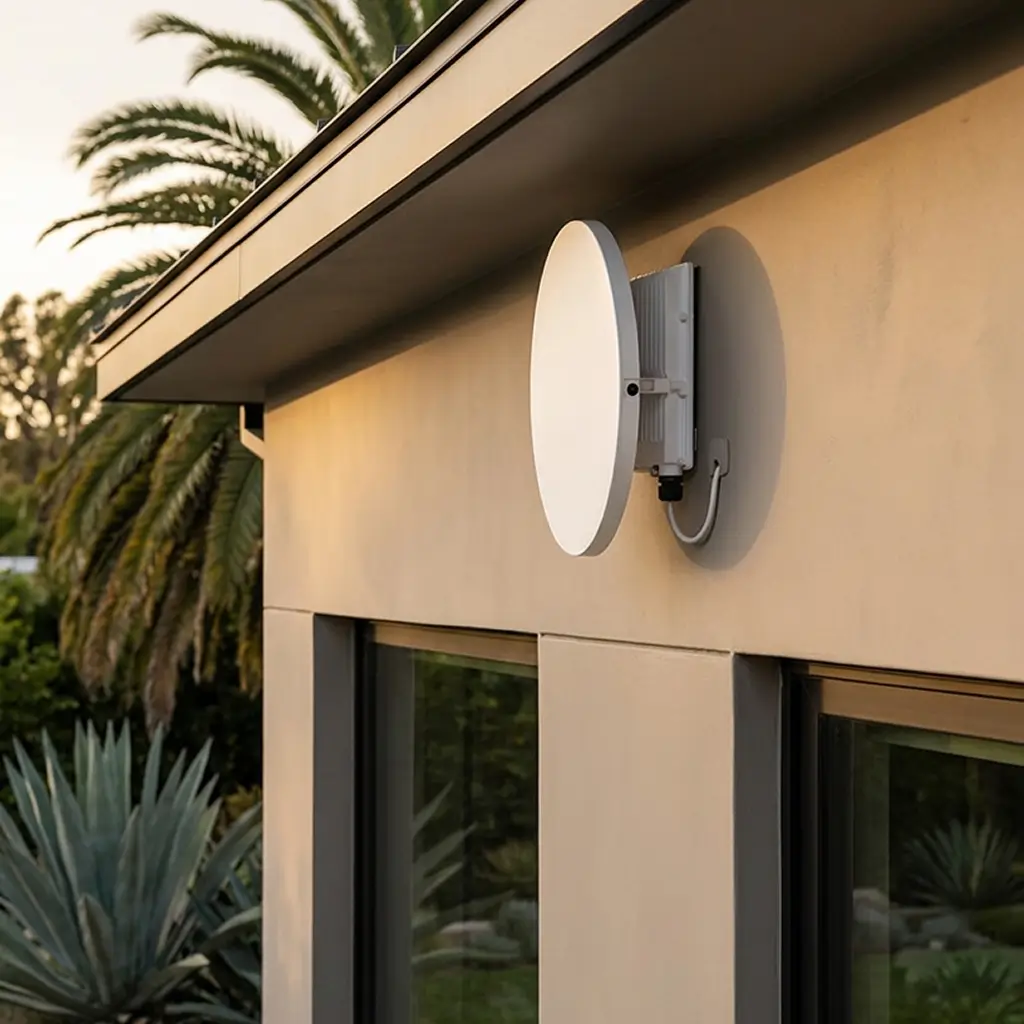
Both arrive without a cable, so they get filed under the same name. They run on different networks built for different jobs.

Fiber, cable, 5G and satellite each reach your address a different way. So does a fifth option that most people have never had explained to them.