What "Available in Your Area" Leaves Out
A coverage map answers one question: can a provider sell you service? It does not tell you how that service will perform at your address.
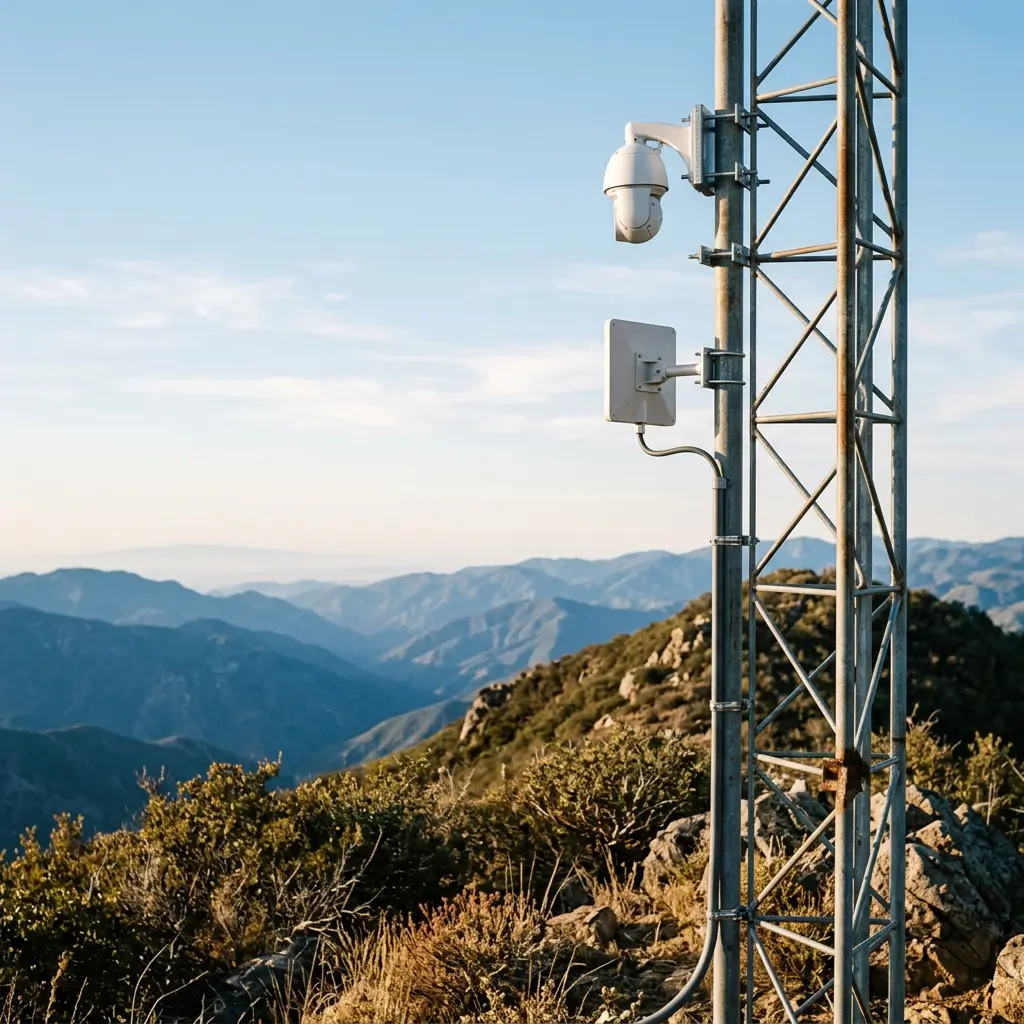
Fixed wireless internet travels from a tower to an antenna on your roof. That part is the same everywhere. What varies is the frequency the signal travels on, and who else is allowed to use it.
There are two kinds, licensed and unlicensed. We sell both, so we have no reason to shade the comparison.
Unlicensed spectrum is open to any provider or device that follows FCC rules. Nobody needs permission to use it, which is its main strength. A provider can bring service to a new area quickly, and unlicensed fixed wireless reaches many places nothing else serves.
The trade-off is in the rules. Users of unlicensed spectrum have no protected right to a frequency and must accept interference from others who are using it properly. Every unlicensed device carries a notice saying so. Your Wi-Fi router has one. Performance depends on what else is transmitting nearby, and that varies by location.
Unlicensed spectrum has also grown. The FCC opened a large block at 6 GHz, with an automated system that assigns channels to outdoor equipment. Modern radios are built to cancel interference, and current deployments perform well.
A licensed frequency is assigned by the FCC to a single provider for a defined area. No one else may transmit on it. If someone does, the license holder can ask the FCC to make them stop.
That protection is the whole difference. The design is the same and the hardware is often comparable. The rights are not.
Providers pay for those rights. One FCC auction of exclusive licenses in 2022 raised more than $22 billion.
A license has limits. It keeps everyone else's equipment off the frequency. It does not manage capacity among our own customers. That part is our job, and we handle it through network planning.
GeoLinks Internet is our unlicensed service. It comes with the same address check before you sign up, installation in days, and local support from people who answer the phone. Upload and download speeds are the same on every plan.
GeoLinks Reserve is our licensed service. It runs on a private frequency in the 29/31 GHz band, assigned exclusively to us by the FCC. We hold that spectrum in more than 1,300 counties.
Your address makes the first decision, since it determines which service can reach you. If both can, you are choosing between two good connections. Reserve adds a frequency nobody else can use. That matters most to a business that runs on its connection, or a home with people working in it all day.
Check your address and we will show you which options you have. Check availability
Connectivity moves fast, and so do we. Explore more articles on network reliability, technology trends, and what to expect from an internet provider that actually shows up.

A coverage map answers one question: can a provider sell you service? It does not tell you how that service will perform at your address.
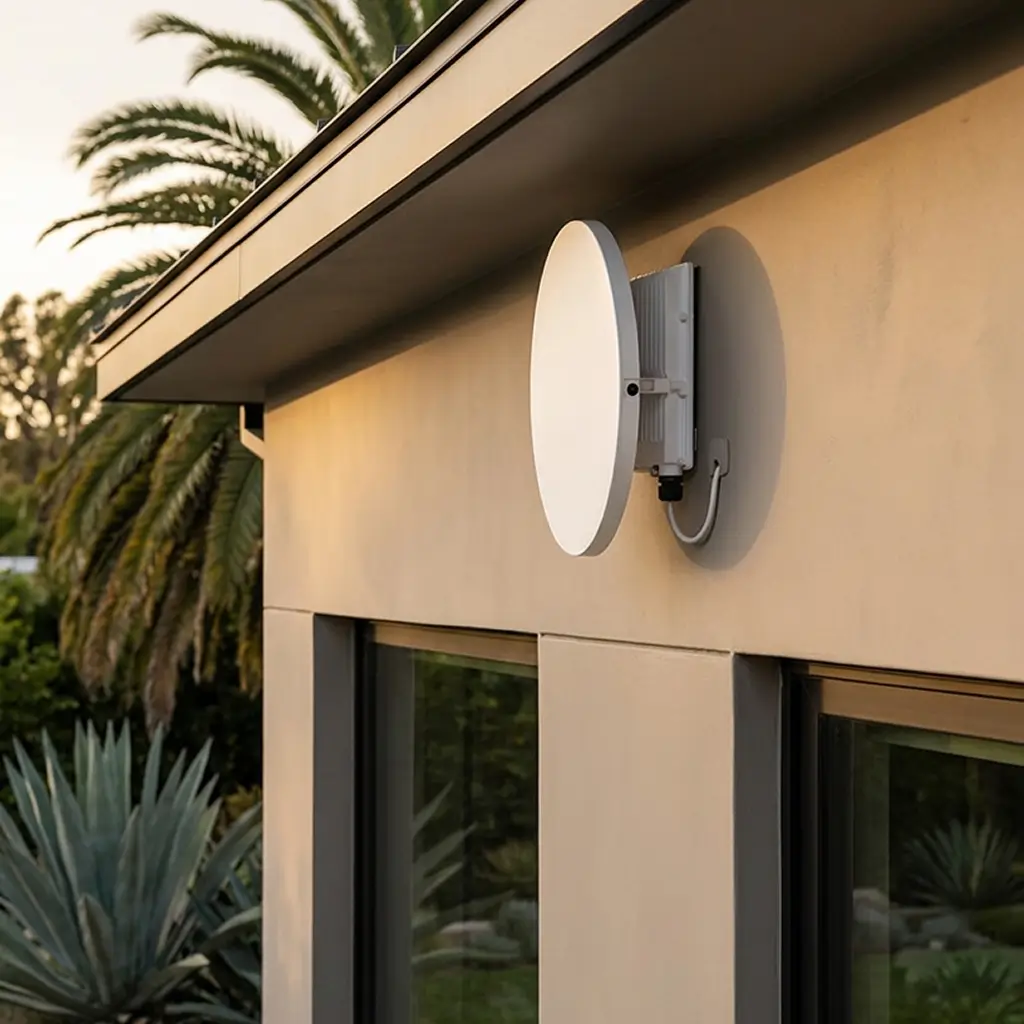
Both arrive without a cable, so they get filed under the same name. They run on different networks built for different jobs.

Fiber, cable, 5G and satellite each reach your address a different way. So does a fifth option that most people have never had explained to them.